Late fall and winter can be one of the best times to buy a home in Boise and the Treasure Valley, as new construction builders roll out year-end incentives like closing cost assistance, mortgage rate buydowns and design upgrades while motivated resale sellers become more open to price reductions and seller-paid concessions. With fewer buyers competing than in spring and summer, The Mike Brown Group explains how to compare builder promotions and resale deals by total cost, not just sticker price, so buyers in Meridian, Eagle, Nampa and beyond can find the strongest overall value.

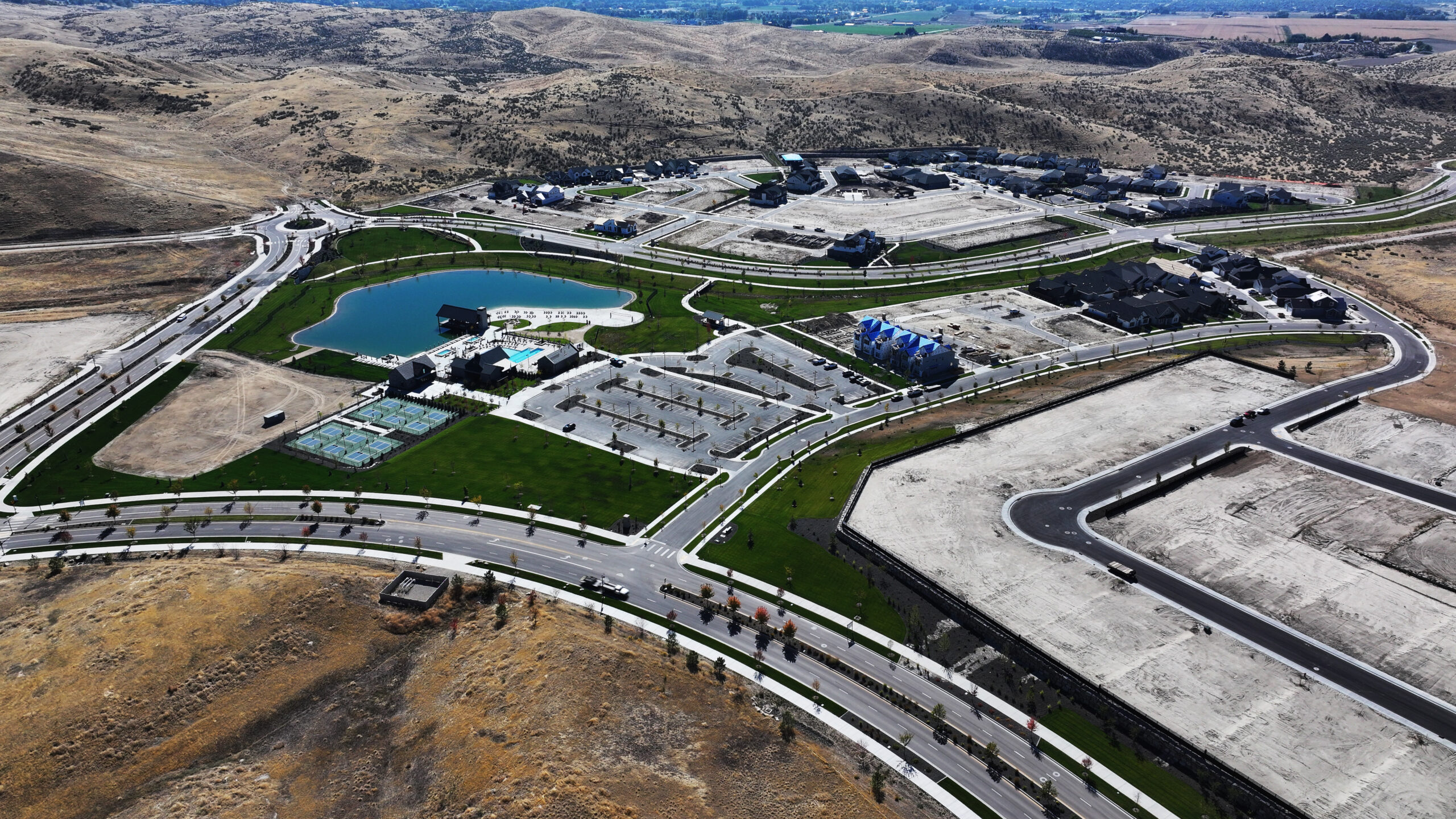
If you’ve been thinking about buying a home in Boise or the surrounding Treasure Valley, this time of year could present an opportunity worth exploring. As we move into the final months of the year, home builders are rolling out aggressive incentives, resale sellers are becoming more open to negotiations, and buyers may find themselves with more purchasing power than they did during the busier spring and summer months.
From thousands of dollars in builder upgrades and closing cost assistance to price reductions and seller-paid concessions on existing homes, there are more ways to make a home purchase work financially. For buyers who have been waiting for the right opportunity, now may be the time to take a closer look.
Builders Are Bringing Out the Big Incentives
New construction builders throughout the Treasure Valley are working to move inventory, close out completed homes, and meet year-end sales goals. That can translate into some pretty substantial incentives for buyers.
Depending on the builder, community, and available inventory, current promotions may include:
- Closing Cost Assistance: Builders may contribute thousands of dollars toward a buyer’s closing costs, reducing the amount of cash needed upfront.
- Mortgage Rate Buydowns: Some builders are offering temporary or permanent interest rate buydowns through preferred lending partners, potentially lowering monthly mortgage payments.
- Free Upgrades and Design Center Credits: Buyers may receive upgraded appliances, flooring, countertops, cabinetry, landscaping, window coverings, or other features at little or no additional cost.
- Price Reductions on Inventory Homes: Completed or nearly completed homes may be offered at reduced prices to help builders clear inventory before the end of the year.
- Move-In-Ready Packages: Some promotions bundle multiple upgrades, financing incentives, or closing cost contributions into one attractive offer.
For buyers, these incentives can add up quickly. Rather than simply negotiating the purchase price, you may be able to secure a home with more features, less upfront expense, and potentially a lower monthly payment.
The key is understanding which incentives provide the greatest financial benefit. A lower purchase price isn’t always the best deal if another offer includes thousands of dollars in closing cost assistance or a meaningful mortgage rate reduction.
Resale Sellers Are Becoming More Flexible, Too


It’s not just new construction where buyers may find opportunities. The resale market can offer some significant negotiating advantages this time of year as well.
As the traditional spring and summer selling season winds down, sellers who still have their homes on the market may have a stronger motivation to make a deal. Some are relocating, others are working toward a year-end move, and many simply don’t want to carry their home into another season.
That motivation can create opportunities for buyers to negotiate beyond the asking price.
Potential seller concessions may include:
- Closing Cost Contributions: Sellers may agree to pay a portion of the buyer’s allowable closing costs.
- Interest Rate Buydowns: A seller concession can sometimes be used to help reduce the buyer’s mortgage interest rate, subject to lender guidelines.
- Repairs and Home Improvements: Sellers may agree to address inspection items, make repairs, or provide a credit toward future improvements.
- Appliance and Personal Property Inclusion: Buyers may have more success negotiating appliances, window coverings, or other items into the sale.
- Price Reductions: Homes that have been sitting on the market may present opportunities for buyers to negotiate a more favorable purchase price.
For buyers, this means there may be more room to negotiate a home that fits both their lifestyle and their budget.
Why This Time of Year Can Work in a Buyer’s Favor
Real estate activity often follows seasonal patterns. Spring and summer tend to bring more listings, more buyer activity, and increased competition for desirable homes. As the holidays approach, the pace typically changes.
Some buyers put their search on hold until after the first of the year. Others are focused on holiday plans rather than moving. While that can mean fewer homes coming onto the market, it can also mean fewer competing offers for the buyers who remain active.
There are several potential advantages to shopping during the late-fall and winter months:
1. Less Competition
With fewer buyers actively searching, you may have a better opportunity to negotiate without competing against multiple offers. This can be especially helpful when looking at homes that have been on the market for several weeks or months.
2. More Motivated Sellers
Sellers who are still actively marketing their homes in November and December may have a specific reason for wanting to close before the end of the year. That motivation can create additional flexibility when negotiating price and concessions.
3. More Opportunities to Compare
With builder incentives and resale concessions both in play, buyers have an opportunity to compare different types of properties and evaluate which offers the best overall value.
4. Potential Year-End Financial Advantages
Depending on your personal financial situation, closing before the end of the year may have tax or financial planning implications worth discussing with your tax professional. It can also allow you to settle into your new home before the new year begins.
New Construction vs. Resale: Where Is the Better Deal?
This is where buyers have an interesting advantage. Builders and resale sellers are competing for the same pool of buyers, and that competition can work in your favor.
A brand-new home may come with builder-paid closing costs, upgraded finishes, a rate buydown, and the benefit of new appliances and systems. On the other hand, an existing home may offer a larger lot, mature landscaping, an established neighborhood, or a lower purchase price.
The best value depends on more than the advertised price.
When comparing properties, consider:
- The total purchase price after negotiated reductions.
- The value of any included upgrades or improvements.
- Available closing cost assistance.
- The potential monthly mortgage payment after any rate buydown.
- Property taxes, homeowners insurance, and HOA expenses.
- Maintenance costs and potential future improvements.
- Builder warranties versus the condition and age of an existing home.
A home that initially appears more expensive may actually offer a better overall financial package once incentives and concessions are factored in.
Don’t Let a Big Incentive Distract You From the Details
While these promotions can create excellent opportunities, buyers should look beyond the headline offer.
Builder incentives may require financing through a preferred lender, using an approved title company, purchasing a specific inventory home, or meeting a contract deadline. Resale seller concessions are also subject to loan-program limits and lender approval.
It’s important to understand the actual value of an incentive, how it affects your financing, and whether the home itself is priced competitively.
For example, a builder offering $20,000 in incentives may sound like an incredible deal, but it’s important to compare the home’s price with similar properties and determine whether the incentive is being offset by a higher purchase price. The same goes for a resale home offering closing cost assistance: the home’s condition, market value, and negotiated terms all matter.
Having an experienced real estate professional review the numbers can help you separate a genuinely great opportunity from a promotion that simply sounds good.
Is Now the Right Time to Buy in the Treasure Valley?
There is no one-size-fits-all answer, but one thing is clear: buyers have opportunities to explore right now that may not be as readily available when the market heats up again.
Whether you’re looking in Boise, Meridian, Eagle, Star, Kuna, Nampa, or Caldwell, it’s worth paying attention to both new construction promotions and resale homes where sellers may be willing to negotiate.
You don’t necessarily have to wait for mortgage rates to drop or home prices to make a dramatic move to find a good opportunity. Sometimes the best advantage comes from negotiating the right combination of purchase price, closing cost assistance, financing incentives, and home features.
The bottom line? Don’t assume the asking price is the final price, and don’t overlook a home simply because it doesn’t have a flashy builder promotion attached to it.
The right home, paired with the right negotiation strategy, could make this one of the most advantageous times of the year to buy.
Let’s Find Your Opportunity
At The Mike Brown Group, we believe buying a home is about more than finding the right property. It’s about understanding the market, recognizing opportunities, and negotiating terms that make sense for your financial goals.
Our team can help you compare new construction and resale options, evaluate available incentives, and identify homes where motivated sellers may be willing to make a deal.
If you’ve been waiting for the right time to make a move, let’s take a look at what’s available in the Treasure Valley. You may be surprised by just how much opportunity is out there.
Frequently Asked Questions
Is late fall a good time to buy a home in the Treasure Valley? ▸
It can be. Builders often roll out year-end incentives, resale sellers who are still on the market tend to be more motivated, and fewer buyers are shopping than in spring and summer, which can mean less competition and more room to negotiate.
What incentives are Treasure Valley home builders offering? ▸
Depending on the builder and community, incentives may include closing cost assistance, temporary or permanent mortgage rate buydowns, design center credits and free upgrades, price reductions on inventory homes, and move-in-ready packages that bundle several offers together.
What is a mortgage rate buydown? ▸
A rate buydown uses an upfront payment, often from a builder or seller, to lower the buyer’s mortgage interest rate either temporarily or for the life of the loan. It can reduce the monthly payment, subject to lender guidelines.
Can I ask a resale seller to pay my closing costs? ▸
Yes. Sellers may agree to cover a portion of a buyer’s allowable closing costs, though the amount is limited by the loan program and requires lender approval.
What concessions can buyers negotiate on a resale home? ▸
Common concessions include closing cost contributions, interest rate buydowns, repairs or repair credits after inspection, including appliances or window coverings in the sale, and price reductions on homes that have been on the market for a while.
Is new construction or resale a better deal right now? ▸
It depends on the total package, not the advertised price. New homes may come with builder-paid closing costs, upgrades and rate buydowns, while resale homes may offer larger lots, mature landscaping, established neighborhoods or a lower price.
How do I compare builder incentives with resale concessions? ▸
Compare the total purchase price after reductions, the value of upgrades, closing cost assistance, the monthly payment after any buydown, taxes, insurance and HOA dues, expected maintenance, and builder warranties versus the age and condition of an existing home.
Do builder incentives come with conditions? ▸
Often, yes. Builder incentives may require using a preferred lender or approved title company, buying a specific inventory home, or signing by a contract deadline, so it’s important to confirm the terms before committing.
Can a large builder incentive hide a higher price? ▸
It can. A $20,000 incentive may be offset by a higher purchase price, so compare the home’s price against similar properties to confirm the incentive is adding real value.
Should I wait for mortgage rates to drop before buying? ▸
You don’t necessarily have to. Negotiating the right mix of purchase price, closing cost assistance, financing incentives and home features can create a strong opportunity even without a major drop in rates or prices.