Celebrating National Agriculture Day
Every March, communities across the country recognize the farmers, ranchers, producers, and agricultural businesses that help feed and sustain our nation during National Agriculture Day. In Idaho, this day holds special meaning. Agriculture isn’t just an industry here—it’s part of our identity, our economy, and our way of life.

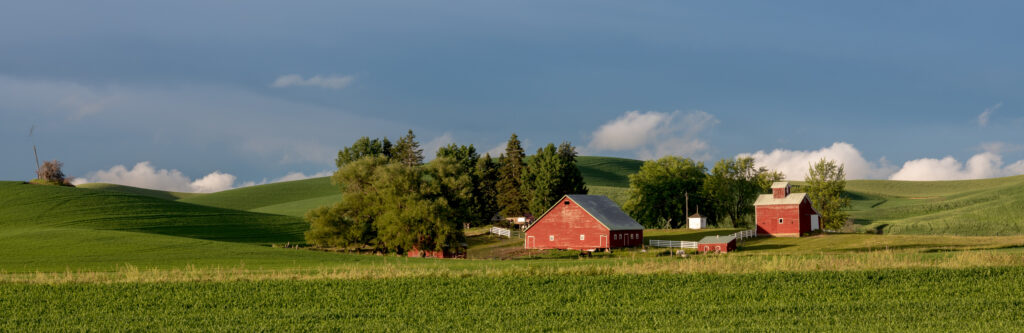
From the famous potato fields stretching across southern Idaho to thriving local farmers markets and agritourism experiences, agriculture continues to shape the communities we live in and the food we share at our tables.
Idaho’s Global Agricultural Impact

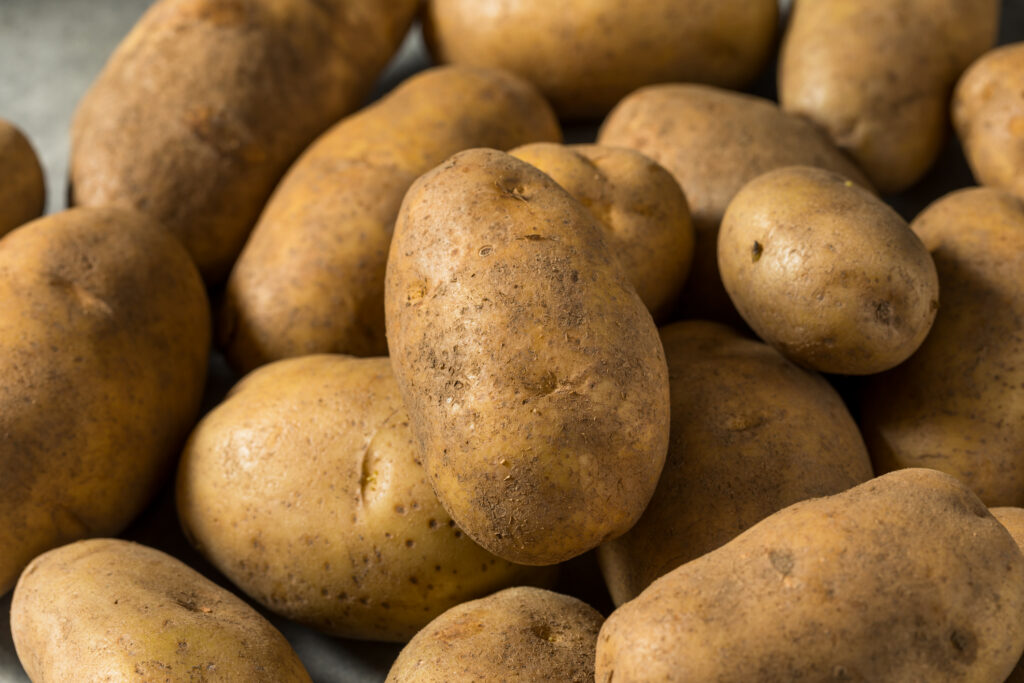
Idaho is widely recognized for producing some of the best potatoes in the world, and for good reason. The state’s rich volcanic soil, high elevation, and ideal climate create perfect growing conditions. Idaho farmers produce roughly one-third of the potatoes grown in the United States, making the state synonymous with this beloved crop.
Helping protect and promote this iconic product is the Idaho Potato Commission. Founded in 1937, the commission has played a major role in building the global reputation of the Idaho potato. Through marketing campaigns, research, and farmer support, the organization ensures that when people see the “Grown in Idaho®” seal, they know they’re getting the highest quality potatoes available.
Today, Idaho agriculture extends far beyond potatoes. The state is also a leading producer of dairy products, wheat, barley, sugar beets, onions, and beef—making agriculture one of the largest economic drivers in Idaho.
Farming Communities that Power the Treasure Valley

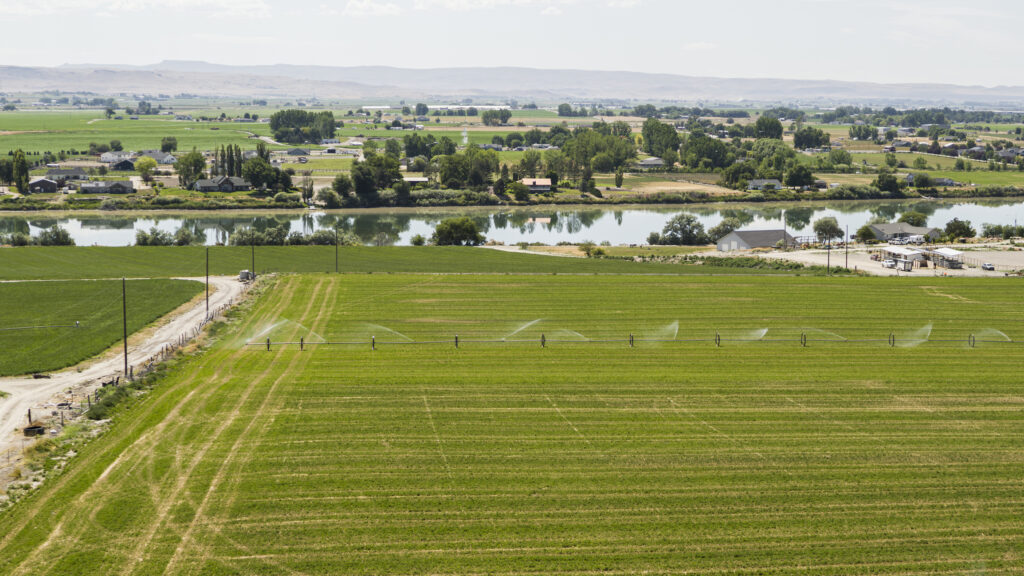
Just outside Boise, farming communities like Nampa and Caldwell have long served as the agricultural backbone of the Treasure Valley.
These communities are surrounded by fertile farmland where generations of families have cultivated crops and raised livestock. Agriculture helped shape the early growth of the valley, and today it continues to influence local culture, land use, and community traditions.
Many residents appreciate the balance these areas offer—modern amenities paired with scenic farmland, open space, and a strong connection to the land. It’s part of what makes living in Idaho so unique.
Agritourism: Experiencing Idaho’s Rural Lifestyle

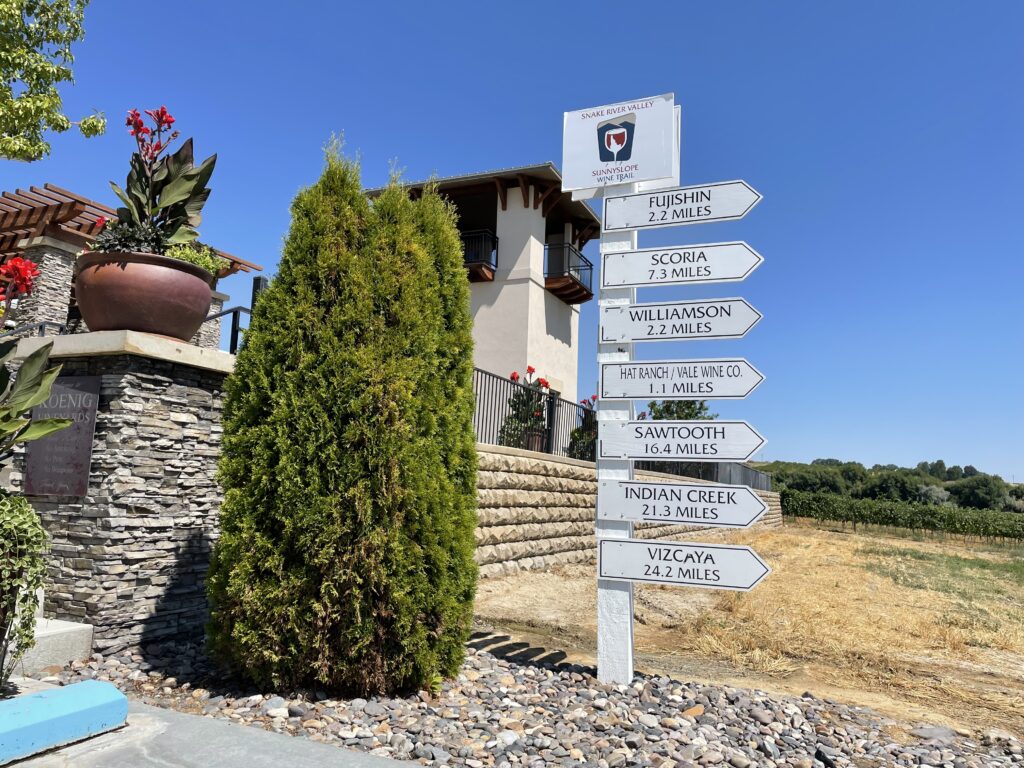
Agriculture isn’t only about production—it’s also about experience. In recent years, agritourism has become increasingly popular across Idaho, inviting visitors to experience farm life firsthand.
In the Treasure Valley, families can spend weekends visiting pumpkin patches, touring working farms, enjoying vineyard tastings, or exploring local orchards during harvest season. Agritourism allows visitors and locals alike to connect with the people who grow their food and gain a deeper appreciation for Idaho’s agricultural heritage.
Seasonal farm stands, corn mazes, u-pick fruit orchards, and vineyard events throughout the valley make agriculture a hands-on experience for residents of all ages.
Farmers Markets: From Field to Table

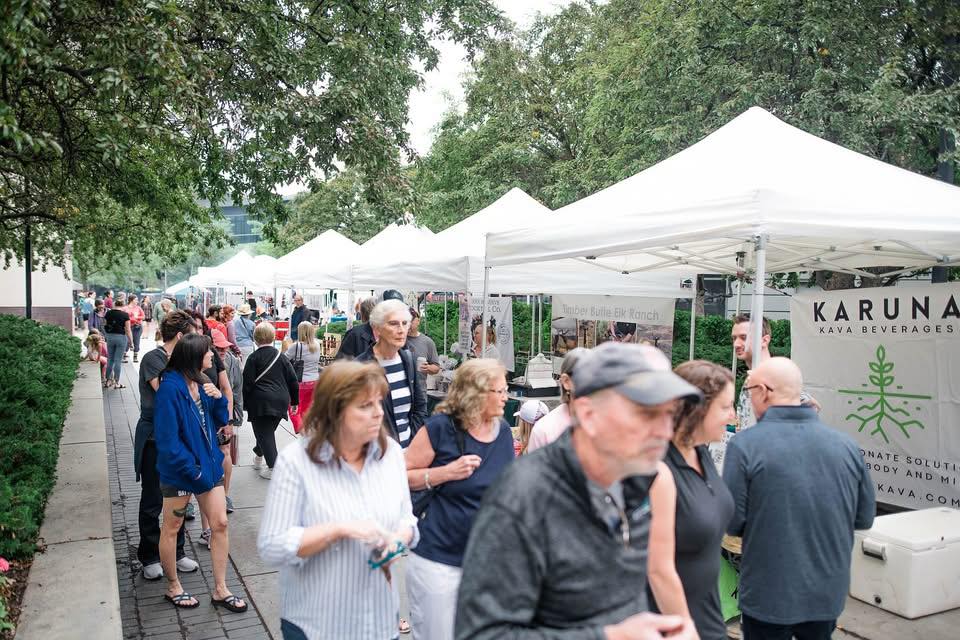
Another way Idaho agriculture shines is through its vibrant farmers market culture. Markets throughout the region bring farmers, artisans, and local food producers together while strengthening community connections.
One of the most popular markets in the area is the Capital City Public Market, held in downtown Boise during the warmer months. Visitors can browse fresh produce, locally raised meats, handmade goods, and baked treats while meeting the farmers and makers behind the products.
These markets offer more than just great food—they provide an opportunity to support local agriculture and small businesses while enjoying the lively atmosphere of community gathering spaces.
Idaho’s Potato Legacy
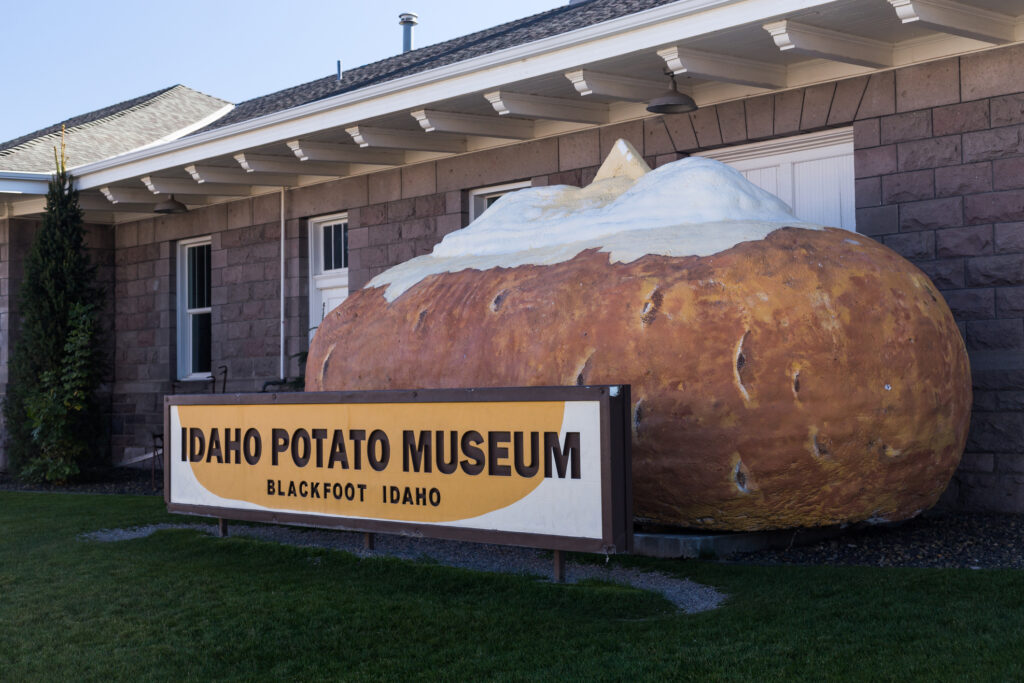
No conversation about Idaho agriculture would be complete without celebrating the potato. The humble potato has become a symbol of the state itself, celebrated in everything from roadside attractions to culinary creativity.
Whether it’s classic baked potatoes, crispy fries, creamy mashed potatoes, or inventive dishes served in local restaurants, Idaho’s potato legacy continues to influence the state’s food culture and national reputation.
And behind every potato is a farmer who works tirelessly to grow and harvest the crop that has become one of Idaho’s greatest agricultural treasures.
Celebrating the People Behind the Harvest
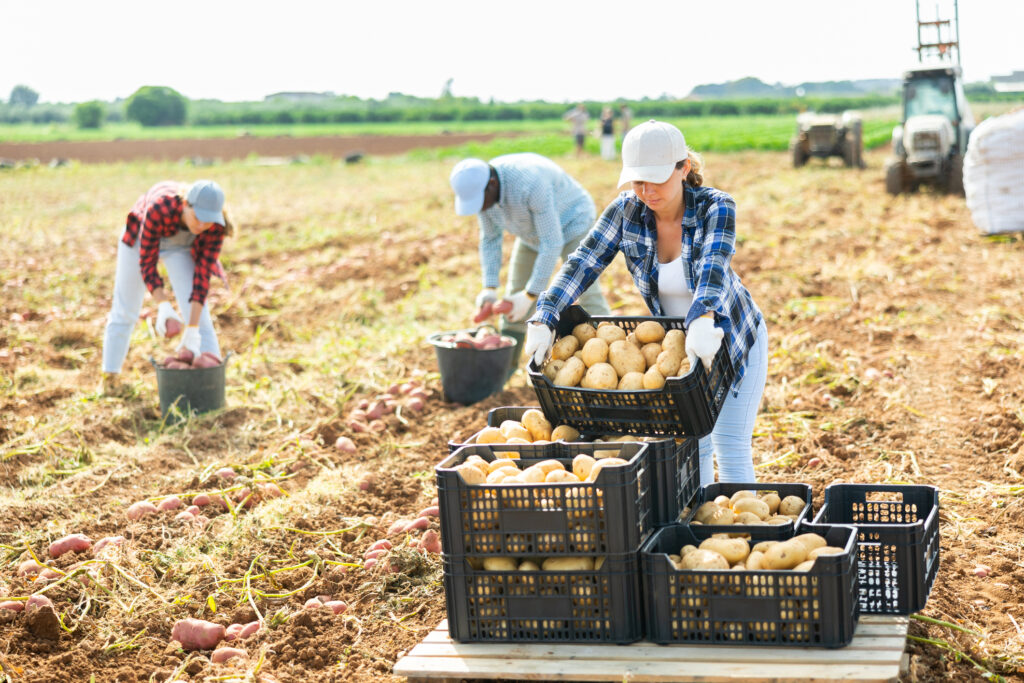
On National Agriculture Day, we recognize the farmers, ranchers, and agricultural workers whose dedication keeps Idaho thriving. Their work sustains our communities, strengthens the local economy, and preserves the rural lifestyle that so many Idaho residents cherish.
Agriculture connects us—to the land, to our food, and to each other. And in Idaho, that connection is something worth celebrating.
Idaho Agriculture FAQs
What is National Agriculture Day and why does it matter in Idaho?
National Agriculture Day is recognized each March to celebrate farmers, ranchers, producers, and agricultural businesses that help feed and sustain the nation. In Idaho, agriculture is part of the state’s identity, economy, and way of life.
Why are Idaho potatoes famous?
Idaho potatoes are known for their quality thanks to rich volcanic soil, high elevation, and ideal growing conditions. Idaho farmers produce roughly one‑third of the potatoes grown in the United States.
What does the Idaho Potato Commission do?
Founded in 1937, the Idaho Potato Commission promotes and protects Idaho potatoes through marketing, research, and farmer support. The “Grown in Idaho®” seal represents quality and authenticity.
Is Idaho agriculture only about potatoes?
No. Idaho is also a leading producer of dairy products, wheat, barley, sugar beets, onions, and beef—making agriculture one of the state’s largest economic drivers.
How do Nampa and Caldwell support Treasure Valley agriculture?
Communities like Nampa and Caldwell form the agricultural backbone of the Treasure Valley. Generations of farming families have shaped local culture, land use, and community traditions.
What is agritourism and how can people experience it in Idaho?
Agritourism allows visitors to experience farm life firsthand through pumpkin patches, farm tours, vineyards, orchards, corn mazes, u‑pick fruit, and seasonal farm stands.
How do farmers markets support Idaho agriculture?
Farmers markets connect growers, artisans, and food producers with the community. The Capital City Public Market in Boise is a popular example offering fresh, local products.
Why is agriculture important to Idaho communities?
Agriculture sustains communities, strengthens the economy, preserves rural lifestyles, and connects people to the land and their food—making it worth celebrating.