After more than a decade of leaning heavily in favor of sellers, the Boise-area housing market may finally be inching toward better balance. According to Realtor.com’s 2026 Housing Forecast, growing inventory and softening prices could open the door a bit wider for hopeful buyers next year—though the Treasure Valley is still expected to remain a seller-friendly market overall.


A Modest but Meaningful Shift Ahead

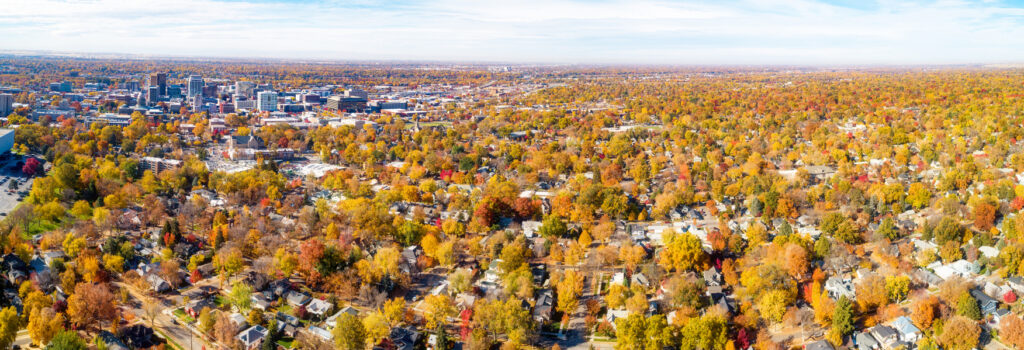
Economists at Realtor.com predict that home sales in the Boise metro will rise by about 3.4% in 2026, reflecting a national trend as housing supply starts to catch up with demand. At the same time, prices are expected to dip slightly—about 0.8%. It’s not a dramatic reset, but it does mark a break from more than ten years of steadily rising home values.
Chief Economist Danielle Hale describes the outlook as “a welcome, if modest, step toward a healthier housing market.” Buyers may start to feel a bit more breathing room, but sellers will still hold the upper hand.
New Construction Is Reshaping the Market

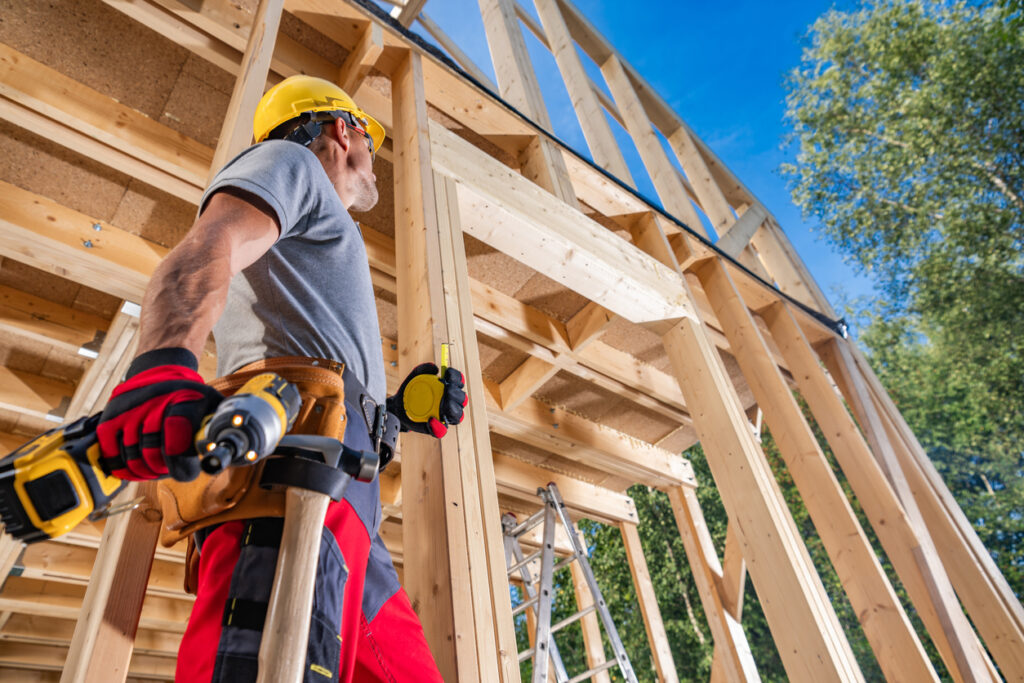
One of the biggest drivers behind the shift is the continued surge in new construction—especially in western and southern Ada County. As of August, new builds made up over half of all active listings in the Boise area, the highest share among major U.S. markets studied by Realtor.com.
With so much new inventory, something unusual is happening: new homes are selling for less on average than existing homes. Senior Economist Joel Berner compares it to new cars being cheaper than used ones—an imbalance he expects won’t last long-term.
While economists anticipate a slowdown in new construction next year, it will still remain elevated compared to the rest of the country. Boise continues to be a popular destination for out-of-state buyers, ensuring ongoing demand for housing.
Still a Seller’s Market—But Buyers Are Tiptoeing Back
Even with these shifts, the Treasure Valley is far from a fully balanced market. Inventory remains tight. In October, Ada County recorded 2.8 months of supply—higher than last year but still well below the four to six months typically seen in a balanced market.
Elizabeth Hume, President of Boise Regional Realtors, notes that while buyers are beginning to re-enter the market, sellers still hold more leverage. She describes a balanced market simply as “when buyers and sellers have to play nice with each other”—and we’re not quite there yet.
The lower end of the market, roughly $400,000 and under, is showing the most noticeable increase in listings. However, many first-time buyers remain sidelined by high interest rates.
A Market Influenced by Rates, Demand & Demographics
Uncertainty around mortgage rates, inflation, and the broader economy makes pinpointing 2026 predictions challenging. Idaho’s market, however, has some unique growth potential.
Nationally, the average age of first-time homebuyers is now 40, significantly higher than Idaho’s median age. That means a large segment of millennials—many who have not yet purchased homes—could enter the market if conditions improve.
This untapped demand may help keep Boise’s market competitive even as prices soften.
What to Watch in 2026

Economists will be closely monitoring construction trends, buyer activity, and interest rates throughout the coming year. Realtor.com’s forecasting team admits these projections are just that—projections. As Berner jokes, “If we’re right as often as the weatherman, we’re happy with that.”
Still, the overall picture is clearer than it has been in years:
The Boise-area housing market is beginning to rebalance—but slowly.
Buyers may gain some ground, yet sellers will continue to hold favorable conditions into 2026.