


Home
Idaho has been named the #3 Best State to Move to in 2026 by ConsumerAffairs — the third year in a row it's landed in that spot — ranking #1 in the nation for safety and #2 for economic strength. For anyone considering a move to Boise, Meridian, Eagle, or the wider Treasure Valley, that national recognition isn't abstract: it's the same combination of safety, job growth (employment is up 15.7% since 2019), and relative affordability that's been drawing buyers to this specific corner of Idaho for years. Here's what's behind the ranking — and what it means if you're weighing a move to the Boise area in 2026.
ConsumerAffairs Ranks Idaho the #3 Best State to Move to — Three Years in a Row
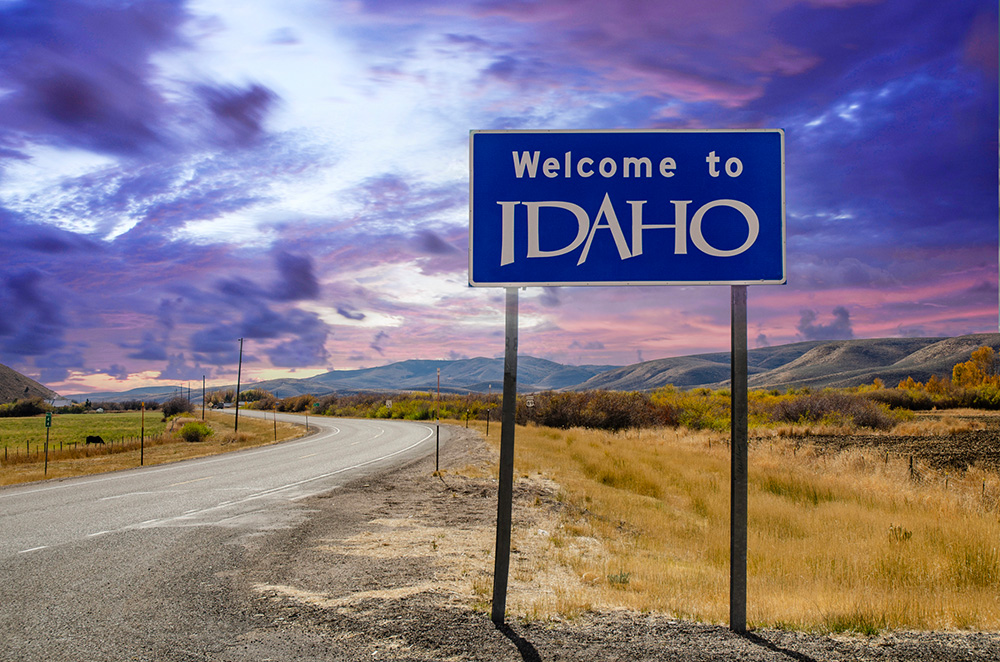
Idaho continues to be recognized as one of the country's best places to live, work, and play. ConsumerAffairs recently ranked Idaho the #3 Best State to Move to in 2026, marking the third consecutive year we've earned that distinction.
The recognition isn't a fluke. ConsumerAffairs' researchers evaluated states across affordability, safety, economic strength, healthcare, education, and overall quality of life — and Idaho held its own against the rest of the country on nearly every measure.
Idaho ranked #1 in the nation for safety. The state also boasts the second-strongest economy in the report, and ranks among the top third of states for affordability, a rare combination of a booming economy that hasn't priced people out. Employment has grown 15.7% since 2019, nearly double the national average, a sign that Idaho's job market is expanding faster than almost anywhere else in the country.
Tourism Is Along for the Ride
With the national praise and attention we've received, it's no surprise that tourism continues to thrive. As Idaho's third-largest industry, tourism grew more than 9% over last year, as more people discover everything our state has to offer — from its cities and communities to its mountains, rivers, and wide-open spaces.
A State Worth Celebrating
Three years at #3 isn't an accident. It reflects sustained investment in safety, a resilient and growing economy, and a quality of life that keeps drawing people in. We have many reasons to celebrate, and many reasons to feel grateful that we get to call this place home.
Frequently Asked Questions: Idaho's 2026 Best State Ranking
What ranking did Idaho receive in 2026?
ConsumerAffairs ranked Idaho the #3 Best State to Move to in 2026, marking the third consecutive year Idaho has earned that distinction.
How many years in a row has Idaho ranked in the top 3?
2026 marks three consecutive years Idaho has ranked #3 on ConsumerAffairs' Best States to Move to list, reflecting sustained strength across safety, the economy, and quality of life.
How does Idaho rank for safety?
Idaho ranked #1 in the nation for safety in the 2026 ConsumerAffairs report.
How strong is Idaho's economy compared to other states?
Idaho has the second-strongest economy in the country, per ConsumerAffairs' 2026 rankings. Employment has grown 15.7% since 2019, nearly double the national average.
Is Idaho affordable compared to other states?
Idaho ranks among the top third of states for affordability, a rare combination alongside its top-tier economy and job growth.
How important is tourism to Idaho's economy?
Tourism is Idaho's third-largest industry and grew more than 9% over the past year.
How many people move to Idaho each year?
Idaho drew roughly 81,708 new residents in a recent year, while about 64,970 people moved out — a net gain of nearly 16,700 residents, according to ConsumerAffairs analysis of Census migration data. Idaho's working-age population is projected to grow around 14% over the next decade, about seven times the national rate.
What are the top cities people are moving to in Idaho?
Meridian has drawn the most new residents of any Idaho city, adding roughly 17,000 people — about 14.5% growth — in a recent three-year span. Nampa, Caldwell, and Kuna, all just outside Boise, saw similarly strong growth near or above 14%, while Post Falls near Coeur d'Alene posted one of the state's highest growth rates at over 16%.
Why do people move to Idaho?
Most transplants are chasing affordability and job opportunity: more than half of recent movers came from California, Washington, or Oregon, drawn by lower housing costs and a growing economy. Idaho's largest employment sectors are trade, transportation and utilities, government, and education and health services — with education and health services the fastest-growing industry in the state.
What are Idaho's housing statistics?
Idaho's median rent runs below the national median, but its median home sale price runs roughly 13% above the U.S. median, according to ConsumerAffairs' analysis of Redfin and Census data. Property taxes are comparatively low, ranking among the 13 lowest in the country, though the exact amount paid varies significantly by county.
What is the cost of living like in Idaho?
Idaho's cost-of-living index runs slightly above the national average, driven partly by gas prices that run roughly 10% higher than the U.S. average. Median household income in Idaho trails the national median slightly, but the state's unemployment rate also runs below the national average.
Who lives in Idaho?
Idaho is home to just under 2 million residents, ranking around the middle of all states by population, with one of the faster growth rates in the country. The population skews slightly younger than the national average, with residents aged 25 to 44 making up the largest single age group.
What should I know before moving to Idaho?
Beyond cost of living and job market research, new residents should prepare for genuinely cold winters (Boise averages around 20 inches of snow a year, with far more in the mountains), plan on relying on a personal vehicle with winter-ready tires, and stay aware of seasonal wildfire and flood risk in rural areas. Idaho's outdoor recreation — hiking, fishing, skiing, and camping — is also one of the biggest draws for new residents to take advantage of once they've settled in.